







Search Results for: Blending Ratios
What Are Espresso Blend Coffee Beans? Understanding Blending Purposes, Classic Recipe Ratios, and Brand Recommendations in One Article
Blended coffee beans are the cornerstone of the espresso system. This article systematically reviews the definition and essence of coffee blends, analyzes the three major purposes of blending—stable flavor, balanced taste, and cost control—and provides three groups of beginner blending ratios: sour-leaning, conventional, and bitter-leaning, as well as six classic recipes: balanced, bitter, sour, aromatic, American, and heavy-bodied. It also summarizes the four blending principles: first set the base flavor, match complementary characteristics, control the number of bean varieties, and adjust ratios flexibly. At the end, it specially recommends the freshly roasted espresso blend beans from Front Street Coffee in Guangzhou, with a cost of less than 1.5 yuan per cup, offering outstanding value for money and worthy of reference for coffee enthusiasts and people opening shops. [more…]
Introduction to Coffee Blending: From Flavor Design to Single-Origin Ratios, Mastering the Core Logic of Espresso Blending
Blending coffee beans is not simply mixing them together; rather, you must first define your flavor goal, then assign roles based on the characteristics of each single-origin bean. This article starts with the purpose and steps of blending, reviews representative bean varieties from the three major green coffee producing regions, and provides the specific ratios and flavor descriptions for four Front Street Coffee blending recipes. Whether you want to highlight floral and fruity notes, rich crema, or pursue high cost-effectiveness, you can find corresponding blending ideas and product references here. [more…]
A Detailed Guide to Espresso Ratios: How to Make Lattes, Cappuccinos, and Cold Brew
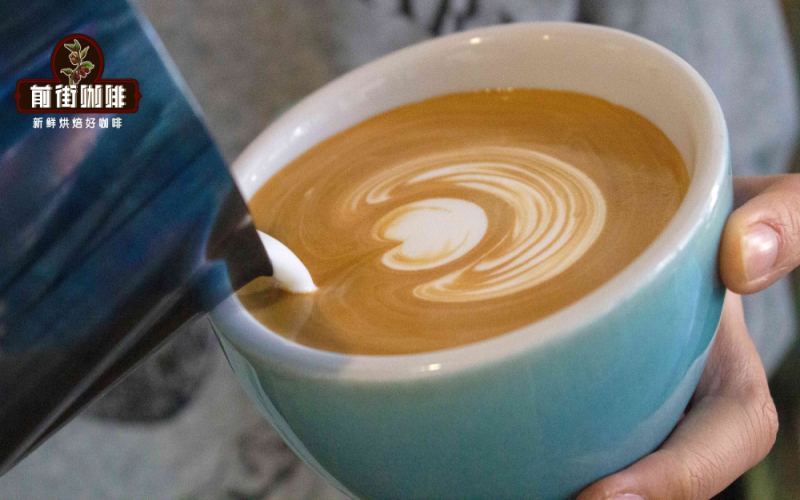
The charm of espresso lies in the clever ratio of espresso to milk; different proportions create the distinctly different flavor profiles of classic drinks such as latte, cappuccino, and mocha. However, each coffee shop has its own blending approach, and even the same coffee can show subtle variations when paired with different beans. This article systematically sorts out the blending ratios of common espresso drinks, including the specific recipes for latte, cappuccino, and mocha, and combines Front Street Coffee's practical experience to provide detailed parameters for home brewing. In addition, the article extends to the field of black coffee, comparing the preparation processes, coffee-to-water ratios, and flavor differences of Americano, ice drip, and cold brew, helping coffee enthusiasts find the cup that best suits their personal taste preferences. [more…]
A Beginner's Guide to Blended Coffee Beans: Blending Principles, Common Classifications, and Recommended Ratios for Newbies
Blended coffee beans are coffee products made by mixing beans from two or more origins in a certain proportion, thereby achieving a balanced taste and richer flavor layers. For enthusiasts who are new to blends, understanding the characteristics of different blending ratios, as well as the influence of roast level on flavor, is the first step in choosing what suits their own taste. Front Street Coffee has launched a number of espresso blends for home users and cafe operators, covering everything from basic entry-level options to floral and fruity styles. This article will introduce three of the most representative blending approaches, and sort out the respective suitable groups and scenarios for medium roast, dark roast, and decaf, helping beginners find their own preference direction. [more…]
A Comprehensive Analysis of Colombian Coffee Bean Espresso Blend Recipes: From Blending Principles to Roasting Methods and Practical Ratios
Blending coffee beans is not simply mixing them together, but an art that balances scientific calculation with sensory experience. From the practical perspective of Front Street Coffee, this article systematically sorts out the purposes of blending, the order of blending and roasting, as well as the blending steps and core principles, helping coffee enthusiasts understand how to use Colombian and Brazilian coffee beans to build a nutty-toned espresso recipe. The article also introduces the product concepts of Front Street Dark Cocoa Blend and Sunflower·Warm Sun Blend, and includes a recipe example of a 3:7 post-roast blend of Colombian and Brazilian beans, suitable for readers who wish to replicate café flavors at home or optimize output consistency. [more…]
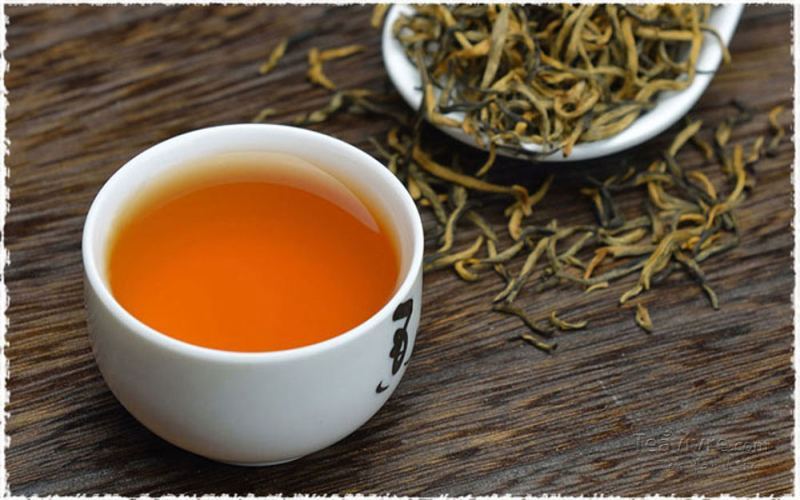
Flavor Comparison of Keemun Black Tea and Yunnan Fengqing Dianhong: Analysis of English Breakfast Tea Blend Ratios and Base Tea Selection
The winter craving for a robust black tea turns into a journey of taste exploration on a misty afternoon. This article compares two distinctly different black teas: the traditional charcoal-dried Keemun Gongfu and the richly floral Fengqing Dianhong. Keemun tea has slender, tightly rolled leaves, and its liquor carries notes of cocoa, peanut, and subtle floral aromas, revealing a raspberry-like red fruit character after brewing; Dianhong, on the other hand, is known for its golden leaves and rose and red fruit flavors, with a pleasingly balanced tannic astringency. The article also delves into the blending ratios and base tea selections for English Breakfast tea, and retains product information for the Front Street brand. Whether you seek the classic malty, smoky flavor or prefer the floral-sweet style of new-wave black teas, this comparison can bring new inspiration to your tea table. [more…]
Espresso Blend Coffee Bean Recommendations | What Is a Coffee Blend? Which Coffee-Producing Regions' Beans Are Suitable for Blending? Introduction to Espresso Blend Principles and Coffee Bean Variety Ratios
Front Street Coffee · The Art of Blending Coffee Beans and Sharing an Espresso Blend Recipe Blending coffee, also known as mixed coffee, is the practice of combining various single-origin coffee beans to fully bring out the strengths of each one. Blended beans [more…]
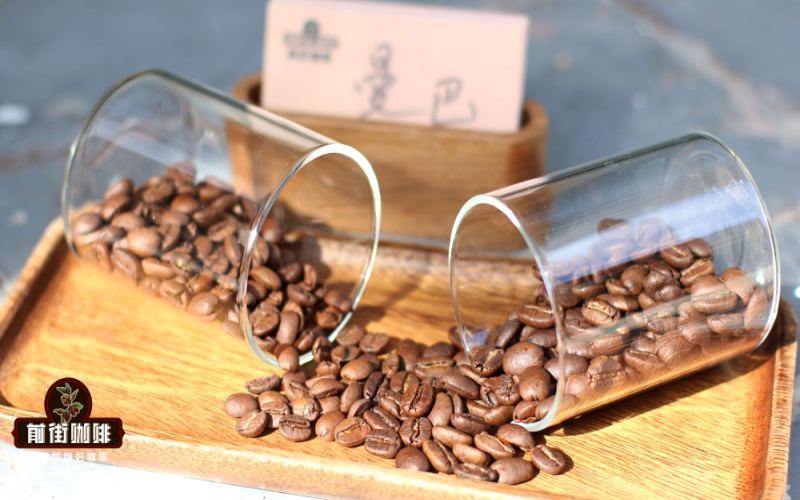
Is Mamba Coffee a Blend of Mandheling and Brazil? A Full Analysis of Ratios, Flavor, and Origin Processing Methods
Mamba coffee, as the name suggests, is a classic combination of Mandheling and Brazilian coffee. Common ratios include 50:50, 6:4, and 7:3, with different roast levels bringing about completely different flavor expressions. This article will start from the blending logic of Mamba, analyzing the origin characteristics of Mandheling and Brazilian Cerrado, the differences in processing methods, and how the two combine to form a unique taste that is rich, sweet, and balanced between acidity and bitterness. At the same time, the article will introduce how Front Street Coffee's classic blend pairs Sumatra G1 Mandheling with Brazilian Cerrado Red Bourbon, presenting an espresso flavor that is low in acidity, full-bodied, and carries aromas of dark chocolate and caramel, helping coffee lovers fully understand the charm of this blend. [more…]
A Complete Guide to Espresso Blend Coffee Beans: From Raw and Roasted Blending to Classic Recipes and Flavor Pairing
The essence of espresso often lies in the blend—skillfully combining coffee beans of different varieties or roast levels so that their flavors complement one another. This article systematically explains the two blending processes for blend beans (pre-roast blending and post-roast blending), the differences in resting time, and the three main approaches to blending coffee: using a base bean as the core, combining beans with opposite characteristics, and blending similar beans while adding distinctive flavors. It also provides classic espresso recipe ratios for three types—bright and acidic, balanced, and bitter-leaning—and mentions recommendations from the Front Street brand. Whether you are a coffee enthusiast or a professional, you can find practical blending inspiration here. [more…]
A Beginner's Guide to Single-Origin Coffee: From Origin to Flavor, a Detailed Explanation of 15 Common Specialty Coffee Beans and Recipe Ratios
Single-origin coffee refers to pure coffee made from coffee beans of a single origin, usually without milk or sugar, in order to showcase the terroir of the origin itself. From Jamaican Blue Mountain to Hawaiian Kona, from Ethiopian Mocha to Indonesian Mandheling, each producing region has its own signature flavor imprint. This article will systematically sort out the origins, flavor characteristics, and drinking features of 15 common specialty coffee beans, and also include blending ratios for four representative types of single-origin beans—acidic, bitter, full-bodied, and mild—to help coffee lovers build a clear cognitive framework for single-origin coffee and find the cup that suits them. [more…]
How Should You Blend Coffee Beans? A Purpose-Driven Guide to Pre-Roast and Post-Roast Blending with Front Street Coffee's Practical Recipes
Blending is not simply mixing a few beans together; it can both deliver consistent output and create entirely new flavor experiences where one plus one is greater than two. This article begins with the purpose of blending, explains how to select base beans and ratios according to the desired flavor or mouthfeel, and points out that similar roast levels are the key to successful blending. It also draws on two products—Front Street Coffee Strawberry Candy · Geisha Blend and Front Street Coffee Strawberry Candy · Espresso—to break down the differences between pour-over blends and espresso blends in bean selection and roasting, and finally includes adjustment ideas for brewing parameters and two sets of blending recipes commonly used by Front Street Coffee, for coffee lovers to reference and practice. [more…]
Espresso and Pour-Over Coffee Liquid Blending Methods: A Comprehensive Analysis of Ratio Options and Practical Parameters
Coffee blending usually refers to mixing different coffee beans, but have you ever thought about blending separately brewed coffee liquids? This approach is not only feasible but also extremely flexible—each bean can be extracted individually using its optimal parameters, then blended in proportions as needed, trying different combinations in small batches. Front Street Coffee uses Xizhua and Guodingding as examples to share specific ideas for coffee liquid blending: beans with a heavier fermented character paired with washed-process coffee can both balance the fermented notes and improve cleanliness. The article provides detailed flavor descriptions for two blending ratios, 1:1 and 1:2.5, along with brewing parameters and key operational points, suitable for coffee enthusiasts to try at home. [more…]
Italian-style blend coffee beans vs. single-origin beans: how to choose? Analyzing blending principles and extraction flavor through Front Street Coffee's four recipes
Which tastes better: single-origin coffee beans or formula beans (blended coffee beans)? This is a common question for many coffee enthusiasts when they are just getting started. This article begins with the history of coffee blending, sorts out the definition of espresso blend coffee beans, the four major blending principles, and the preparation steps before blending, and uses Yunnan small-bean coffee as an example to explain how to design an espresso recipe. It then combines Front Street Coffee's four espresso blends—Black Cocoa Blend, Commercial Blend, Specialty Blend, and Sunflower Warm Sun Blend—to provide flavor descriptions and recipe ratios one by one, and finally includes Front Street's espresso extraction parameters for coffee enthusiasts to refer to and compare. [more…]
An Analysis of Espresso Flavor Characteristics and Blending Ratios, with Five Medium-Roast Blend Bean Recommendations for Home Espresso Machines
Espresso has always been a focal point for coffee enthusiasts, thanks to its rich, full-bodied taste and signature golden crema. This article starts with the operating principles of espresso machines, sorts through the differences between semi-automatic and fully automatic models, and explains how Crema forms and how it affects flavor. We'll also discuss how espresso extends into a variety of drinks such as Americano, latte, and cappuccino. When it comes to bean selection, medium-dark roasts are generally easier to extract ideal results from, while those who prefer a milder taste can prioritize medium roasts. At the end, we've put together five popular espresso blend coffee beans, covering different directions such as rich and aromatic, floral and fruity, and nutty flavors, making it easy to choose based on personal preference and budget. [more…]

Can Blended Coffee Beans Be Used for Cold Brew? A Detailed Guide to Cold Brew Ratios and Practical Experience
In the heat of summer, a refreshing glass of cold brew is the go-to choice for many coffee lovers looking to beat the heat. But have you ever considered that coffee beans blended from two or more varieties can also produce an outstanding cold brew? Cold brew, due to its low-temperature, long-duration extraction, has a richer, smoother mouthfeel, yet its floral and fruity notes gradually fade with storage time. This article draws on the hands-on experience of Front Street Coffee, first outlining the characteristics of cold brew and the advantages of blended beans, then recreating several blending experiments one by one: from Sidra with Geisha, Pacamara with Red Cherry, to Huakui paired with Strawberry Candy and Wangshan Geisha, and finally challenging the dark-roasted Queen's Estate blended with Flower God. Some of these recipes are full-bodied and layered, while others flop into a "mask of pain," yet they perfectly showcase the fun and possibilities of blended cold brew. [more…]
How to make espresso blend beans? Roasting techniques for raw blending and post-roast blending, plus four recommended medium-roast espresso beans
A balanced espresso requires acidity, body, and sweetness in equal measure, and it all starts with choosing the right coffee beans. Single-origin beans are certainly appealing in pour-over, but when used for espresso they often lack complexity, which is why blending beans from different origins is common practice. This article focuses on espresso blends, first explaining what blended beans are and their characteristics, then taking a deeper look at the pros and cons of the two roasting approaches—"blending raw beans" versus "blending roasted beans"—and the scenarios each suits, and finally sharing four medium-roast espresso blends that Front Street Coffee has launched based on practical needs, including Sunflower Warm Sun, Specialty Blend, Commercial Blend, and Dark Cocoa Blend, introducing each one's recipe ratios, blending method, and flavor performance, for the reference of coffee enthusiasts and coffee shops. [more…]
The Blending Principles of Blue Mountain Blend Coffee Beans and a Detailed Explanation of Blue Mountain Flavor Ratios
Blue Mountain coffee is renowned worldwide for its rarity, preciousness, and exceptional flavor, but products labeled "Blue Mountain flavor" or "Blue Mountain blend" keep flooding the market. How exactly should genuine Blue Mountain coffee be blended? What is the ratio for Blue Mountain flavor coffee? This article will take an in-depth look at the blending logic behind Blue Mountain blended coffee beans, while also introducing you to the origin story, variety characteristics, grading standards, and brewing parameters of Front Street Coffee's Blue Mountain coffee, giving you a comprehensive understanding of this coffee hailed as "as precious as a gem." [more…]

Espresso Extraction Ratios | How Many Milliliters Is a Single Shot of Espresso? What's the Difference Between a Single Shot and a Double Shot?
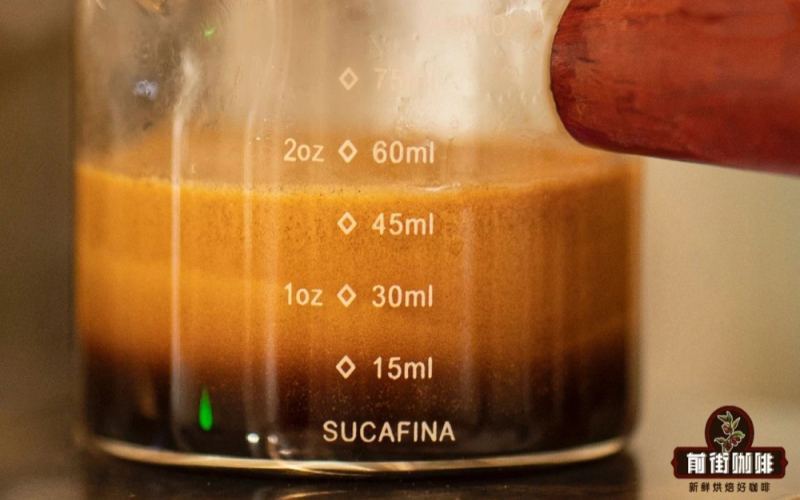
For more specialty coffee knowledge, please follow our WeChat official account: FrontStreet Coffee. Coffee lovers who often drink Italian milk coffee know that making a milk coffee requires pairing espresso with milk, such as FrontStreet [more…]
Flavor Characteristics and Taste Analysis of Espresso: A Detailed Explanation of Coffee Bean Blend Ratios
Espresso is the most common type of coffee served in today's cafés, and popular drinks such as Americano, latte, and cappuccino are all based on espresso. The flavor profile of espresso depends largely on the choice of coffee beans and the blending method used. This article will systematically introduce the definition and characteristics of espresso, distinguish the differences between blended coffee beans and SOE single-origin coffee, and provide a detailed analysis of the formula ratios and respective flavor directions of Front Street Coffee's four espresso blends, helping coffee enthusiasts more clearly understand the taste logic and bean selection approach of espresso. [more…]
A Comprehensive Analysis of the Differences Between Espresso Blend Coffee Beans and Single-Origin Beans and the Logic of Blending
Many friends who are just getting into coffee are curious: why are blend beans used for making lattes and cappuccinos, while single-origin beans are used for pour-over? What exactly is the difference between the two? Starting from Front Street Coffee's production practices, this article systematically sorts out the definition of espresso blends, blending approaches, the original intent behind blending, and the respective pros and cons of blending raw versus roasted beans, while also explaining the importance of blending ratios and flavor harmony. The article also introduces in detail the formulas and flavor positioning of Front Street's four espresso blends, helping coffee enthusiasts choose suitable espresso beans according to their budget and taste preferences, and understand the philosophy of balance behind blending. [more…]